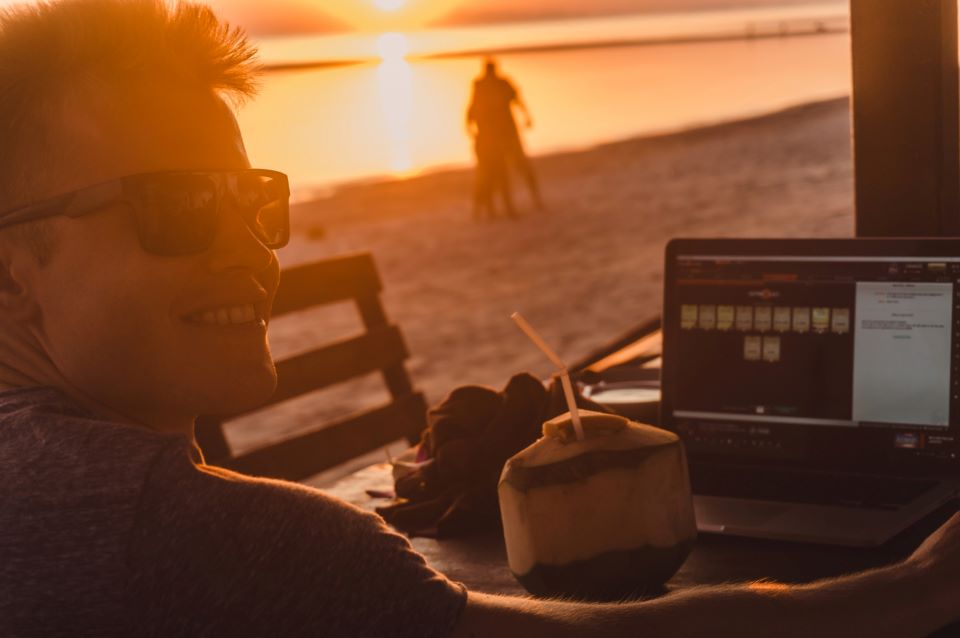


But like cities around the world, Rio is evolving. While its cultural heartbeat remains unchanged, the way people spend their free time is shifting. Increasingly, entertainment is extending beyond physical spaces into digital environments, creating a new balance between outdoor living and at-home engagement.
The Enduring Appeal of Outdoor Culture
Rio’s lifestyle is still deeply tied to its environment. Beach days remain central to daily life, offering not just relaxation but a social experience. Friends gather, sports are played, and conversations unfold naturally in open spaces.
Nightlife, too, continues to thrive. Bars, clubs, and live music venues provide the city with its signature vibrancy. These experiences are not easily replaced, and for many, they remain the foundation of leisure.
However, what has changed is what happens around and beyond these moments.
The Rise of Flexible Entertainment
As technology has advanced, entertainment has become more adaptable. People no longer rely solely on going out to unwind. Instead, they combine traditional experiences with digital ones.
After a long day at the beach or an evening in the city, many are choosing to continue their downtime at home. Streaming platforms, mobile games, and interactive apps provide a different kind of engagement, one that is immediate, personalised, and accessible at any time.
This shift does not replace Rio’s outdoor culture. It complements it.
A Seamless Transition Between Worlds
One of the defining features of modern leisure is how easily people move between physical and digital environments. A day might begin outdoors and end indoors, with entertainment flowing naturally between the two.
This fluidity is made possible by mobile technology. Smartphones and tablets allow users to carry their entertainment with them, switching between activities without interruption.
Within this broader landscape, digital platforms offer a wide range of experiences. Alongside streaming services and mobile gaming, some users also explore more interactive formats through a casino website, where real-time gameplay, structured mechanics, and intuitive design create an experience that fits seamlessly into modern routines. These platforms reflect the same emphasis on accessibility and engagement that defines today’s digital entertainment.
Personalisation and Choice
Another major factor shaping leisure in Rio is personalisation. Digital platforms are designed to adapt to individual preferences, offering content and experiences tailored to each user.
This means that entertainment is no longer one-size-fits-all. People can choose what they engage with, when they engage with it, and how long they spend doing so.
This level of control is particularly appealing in a fast-paced environment. It allows individuals to unwind on their own terms, whether that means watching a series, playing a game, or exploring interactive platforms.
Short Sessions, Lasting Impact
Modern entertainment is also characterised by shorter, more flexible sessions. Instead of dedicating entire evenings to a single activity, people often engage in multiple short experiences throughout the day.
This pattern fits well with Rio’s lifestyle. A quick break during the afternoon, a short session in the evening, or a few minutes of engagement before heading out, all of these moments contribute to a more dynamic approach to leisure.
Digital platforms are designed to support this behaviour, offering fast access and immediate feedback.
The Influence of Technology on Social Habits
Technology has not only changed how people entertain themselves, it has also influenced how they connect with others.
Social media, messaging apps, and live streaming have created new ways to share experiences. Even when people are not physically together, they remain connected.
This adds another layer to leisure. It is no longer just about individual enjoyment, but about shared moments, even across distances.
Data and the Evolution of Entertainment
Behind these changes lies data. Digital platforms analyse user behaviour to improve functionality and enhance engagement.
Insights from organisations such as the Statista show how global trends in digital consumption continue to grow, reflecting a shift toward more flexible and personalised entertainment habits.
These insights help explain why digital platforms have become such an integral part of modern life, not just in Rio, but globally.
Blending Tradition and Innovation
What makes Rio unique is how it blends tradition with innovation. The city has not abandoned its cultural roots. Instead, it has expanded them.
Beach culture, music, and nightlife remain central, but they now exist alongside digital experiences that offer new ways to unwind. This combination creates a richer, more diverse leisure landscape.
People are not choosing between the two, they are embracing both.
A New Rhythm of Leisure
The evolution of entertainment in Rio reflects a broader change in how people approach free time. Leisure is no longer confined to specific places or schedules. It is fluid, adaptable, and shaped by individual preferences.
This new rhythm allows for greater flexibility. It enables people to enjoy the best of both worlds, immersing themselves in the city’s vibrant culture while also taking advantage of the convenience offered by digital platforms.
Rio de Janeiro remains a city defined by its energy and culture. But the way people experience that culture is changing.
From beach days to digital nights, entertainment is becoming more diverse, more accessible, and more personalised. Technology has not replaced what makes Rio special, it has added new dimensions to it.
In the end, the essence of leisure remains the same: finding moments to relax, connect, and enjoy. What has changed is how those moments are created, and how seamlessly they now fit into everyday life.